
Puez-Odle Nature Park

Host
Dolomiten erleben
Birchach 8
Details
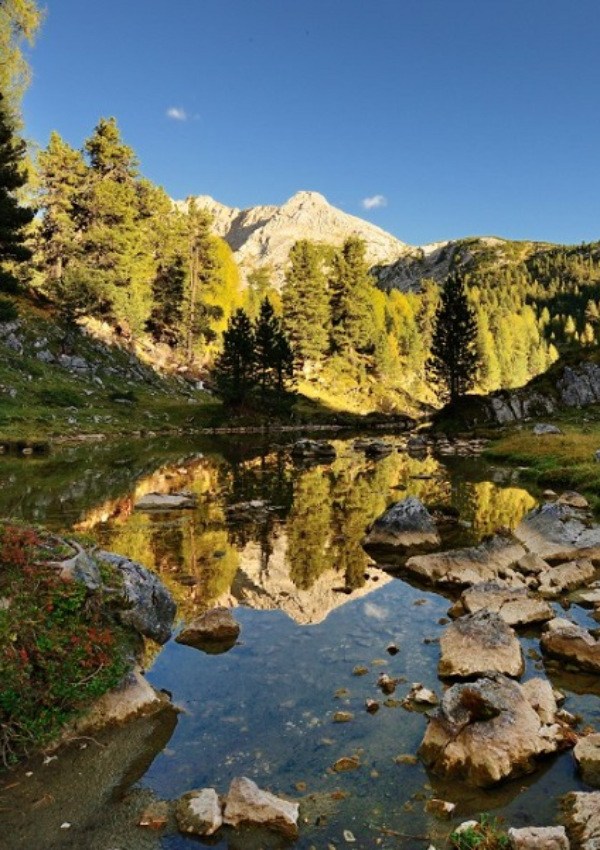
This can be described as a "Dolomite construction hut", because geologists find all the rock types, depositional layers and weathering forms typical of the Dolomites in it. Karstified plateaus, majestic wall faces, gently undulating, fertile alpine meadows in front of bizarrely craggy mountain silhouettes, deeply incised erosion valleys and dark coniferous forests form a variety of landscapes that can rarely be found in such a small area.
The South Tyrolean Dolomites survived the period of Alpine mountain building (about 80 to 30 million years ago) "relatively intact". Whereas elsewhere enormous shifts and folds make the age structure of the rocks rather confusing and inscrutable for the layman, in the Dolomites the original sequence of deposits is usually still clearly recognizable. Nevertheless, there are also fault lines (= fault surfaces) along which rock packages have been displaced. The most important fault surface in the nature park is the "Villnöss line". In addition, the so-called "summit overthrusts" on the Puez-Gherdenacia plateaus are of immense importance: main dolomite is tectonically thrust onto the younger Puez marl.