
Naturpark Fanes-Sennes-Prags

Gastgeber
Dolomiten erleben
Birchach 8
Details
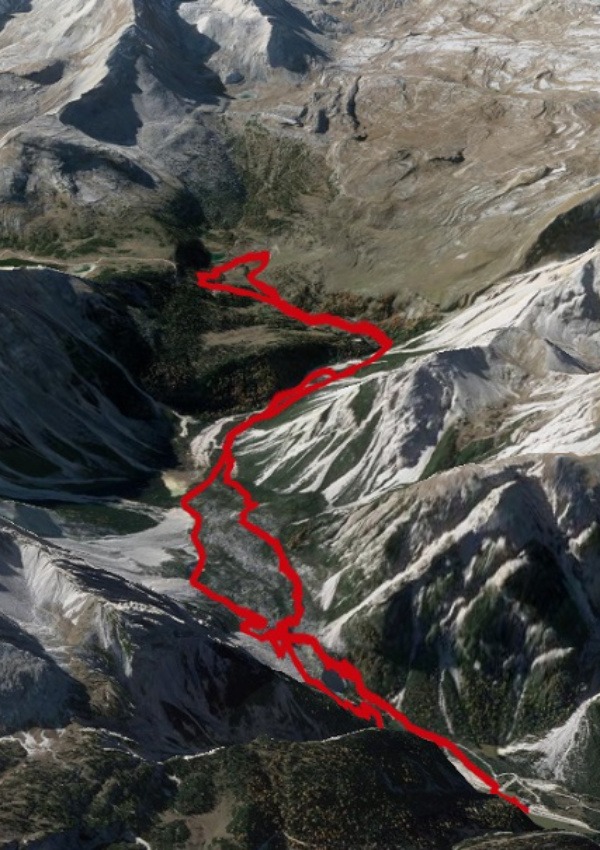
Dieser erstreckt sich über eine Fläche von fast 26.000 Hektar und ist, nach dem Naturpark Texelgruppe, der zweitgrößte Naturpark Südtirols.
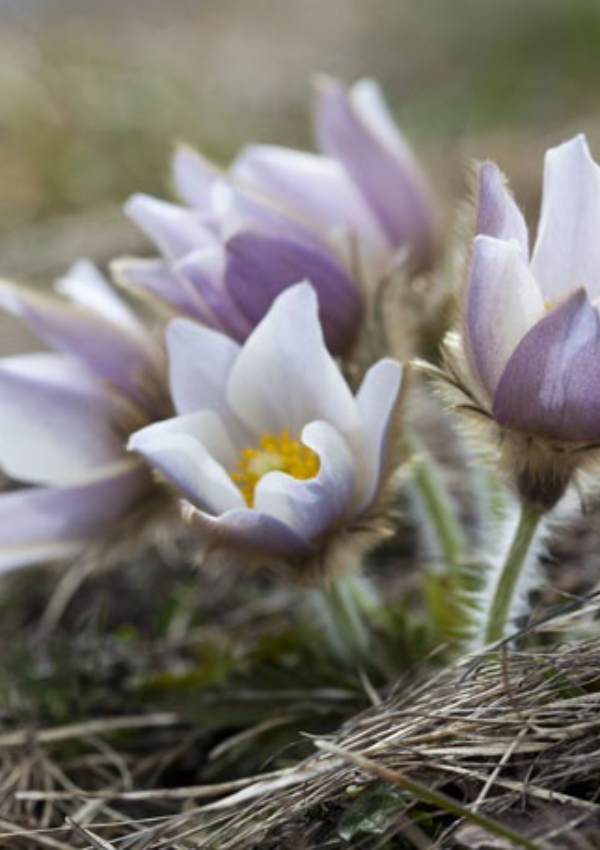
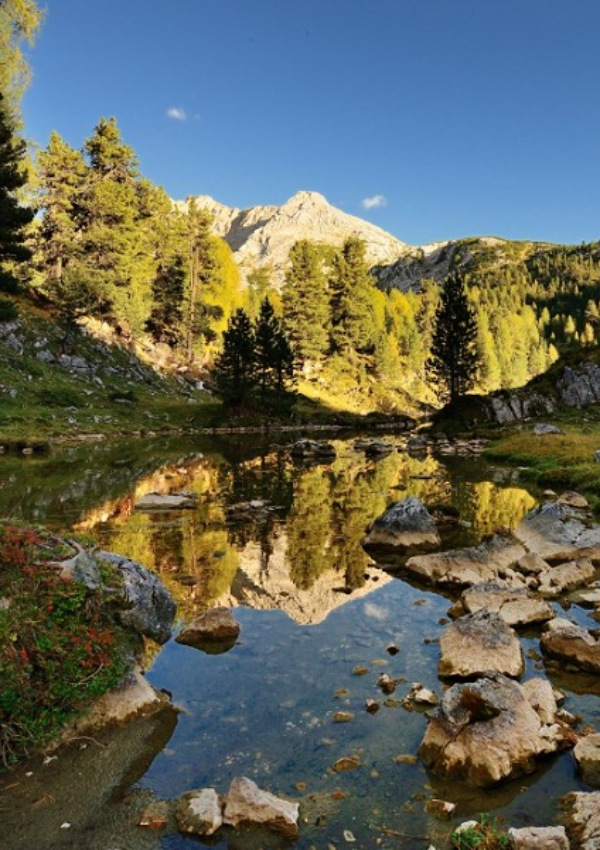
Er ist geprägt von ausgedehnten Hochebenen, die von steil abfallenden Dolomit-Felswänden umschlossen sind. Abgesehen von den atemberaubenden, einzigartigen Anblicken auf die Bergwelt der Dolomiten, die vielerorts leicht zugänglich sind, zählt die Fauna hier zu den besonderen Highlights, denn ein Großteil der in den Dolomiten lebenden Arten findet hier ihren natürlichen Lebensraum.
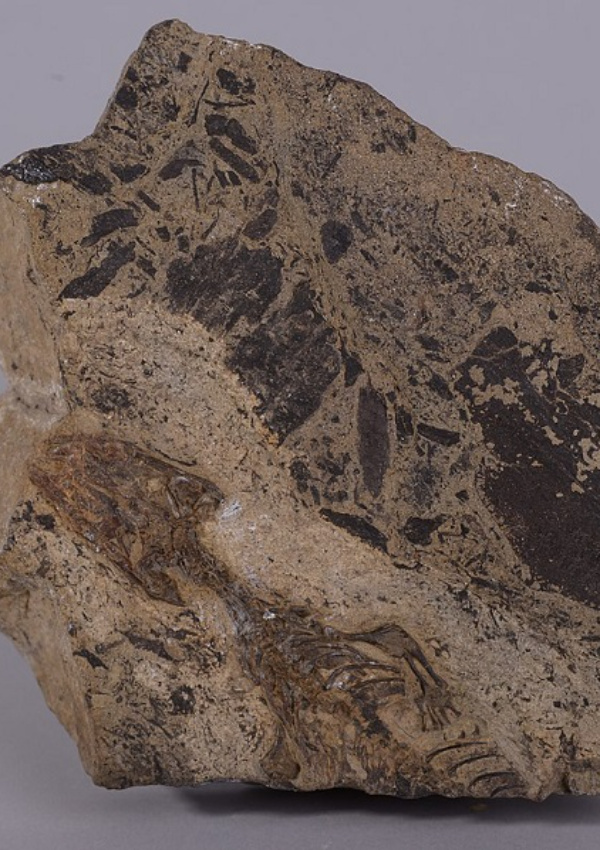
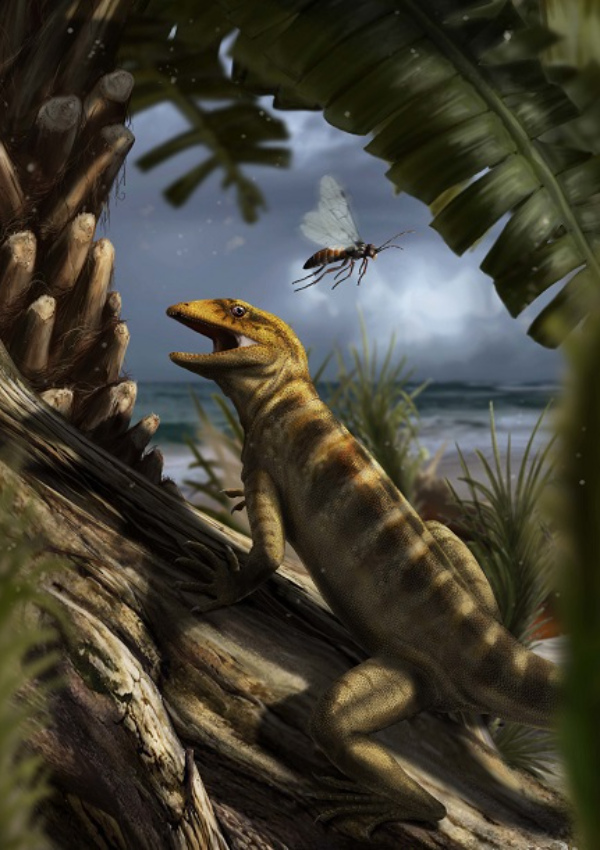
So wurde z.B. vor 20 Jahren zwischen diesen Bergen die "Megachirella Wachtleri", eine Ur-Echse, gefunden und, dank der heutigen technischen Möglichkeiten, im Mai 2018 als Mutter aller Schuppenkriechtiere eingestuft. Sie ist das älteste bis heute bekannte Exemplar und hat vor sage und schreibe 250 Millionen Jahren gelebt. Möglich wurde dies vor allem durch die damalige und immer noch anhaltende Verschiedenartigkeit der Lebensräume sowohl in den Tälern als auch in den schwer zugänglichen Berggebieten.
Auch die verschiedenen Vegetationszonen reichen vom Mittelgebirgswald bis zur typischen Vegetation der Felsregionen. Ihre Höhenlagen variieren größtenteils zwischen 1.500 und 2.500 Metern über dem Meeresspiegel, nur die Conturinesspitze sticht mit über dreitausend Metern hervor.
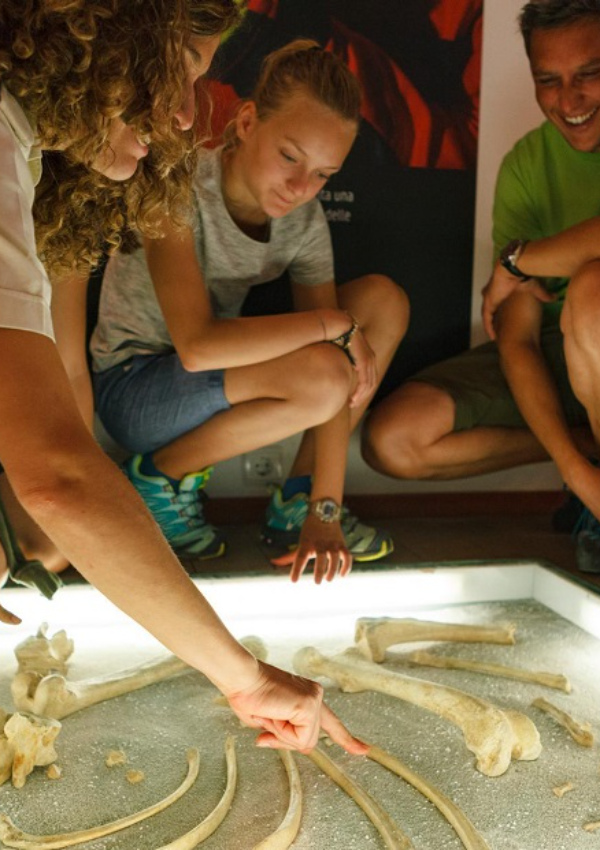
Das Naturparkhaus Fanes-Senes-Prags wurde in St. Vigil in Enneberg am Eingang des Val de Mareo errichtet. Das Besucherzentrum ist wie ein offenes Fenster zum Naturpark: über interaktive Medien, Videos und Paneele taucht man in die Geheimnisse des Schutzgebietes ein. Rampen verbinden mehrere Ebenen, der Besucher bewegt sich wie in einer Spirale durch die verschiedenen Ausstellungsbereiche: die Entstehung der Dolomiten, der 1987 entdeckte Höhlenbär der Conturines, die wichtigsten Lebensräume im Naturpark sowie ein dreidimensionales Relief, das die Morphologie des Gebietes ersichtlich macht.